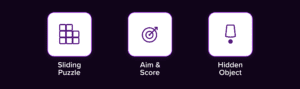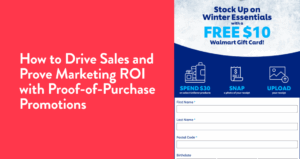
A gamification rewards program, also called gamified loyalty, uses mechanics such as streaks, tier progression, unlocks, and bonuses to reward the participation and engagement that happen around a purchase, not just the purchase itself. For brands that already run a loyalty program, it runs alongside it, rewarding the relationship in addition to the transaction. For brands that sell through retailers and rarely see the transaction, it makes a program possible where a points for spend model was never practical.
Most of the relationship a customer has with your brand happens between purchases. They browse, play, share a preference, refer a friend, upload a receipt, answer a quiz. A purchase-based loyalty program rewards the transaction. It was never built to reward everything that happens around it, which is the gap a gamification rewards program closes.
What a Gamification Rewards Program Actually Does
A gamification rewards program uses mechanics such as streaks, tier progression, unlocks, and bonuses to motivate participation, encourage repeat engagement, and drive the behaviors that deepen a customer’s relationship with your brand, in store, on the web, in your app, and through push. It treats the engagement around a purchase as something worth rewarding and measuring, which most programs never do. Marketers also call this gamified loyalty, a gamified loyalty program, a gamification loyalty program, or engagement loyalty; the mechanics and the goal stay the same regardless of the term.
Done well, gamification is intrinsic first. A streak or a tier unlock is scaffolding. It sustains participation in something the customer already finds worth doing, like discovering a product, playing a quiz, or sharing a preference, and doesn’t manufacture interest that wasn’t there to begin with. That’s also why the program runs continuously rather than resetting with each campaign, so the relationship compounds instead of restarting every time you launch something new.
How a Gamification Rewards Program Works

Four things distinguish a gamification rewards program from a standalone campaign or a standard points structure.
- It rewards connection, not just purchases. Playing, answering a question, completing a challenge, checking in, sharing a preference, referring a friend, uploading a receipt, and leaving a review can all become rewardable actions, alongside the purchases that already earn.
- Participation comes first, mechanics come second. Streaks, unlocks, tier progression, and bonuses sustain engagement in something already worth doing. They support participation; they don’t create it.
- It’s always on. The program runs continuously rather than resetting with each campaign, so engagement builds over time instead of starting over.
- Every action becomes data. Each rewarded action captures consented first-party and zero-party data, which flows into the marketing stack you already run and personalizes what the customer sees next.
How a Gamification Rewards Program Fits Your Existing Stack
Wyng augments the loyalty program, CRM, CDP, messaging tool, and data warehouse you already have. Your existing program stays the system of record for purchases and points. Gamified loyalty layers on top of it, rewarding engagement in addition to what your program already rewards.
In practice, brands build the interactive experiences, quizzes, sweepstakes, challenges, preference centers, in Wyng’s Experience Studio, a no-code builder, then connect the resulting engagement and data back into their existing systems. If you’re working toward an owned, always-on destination for that activity, gamified loyalty can be layered onto a Promo Hub or directly onto the loyalty platform you’re running today.
Gamified Loyalty In Action
Two category examples illustrate the pattern, neither built on Wyng. Moulinex runs Bon Karma, an almost entirely non-purchase points program for a brand that sells its small appliances through retail. The program weights data-sharing and advocacy actions most heavily, which is what makes it work for a company that does not own the checkout. Bergzeit Club takes the opposite starting point. The outdoor retailer rewards activity tracked through a connected fitness app alongside the purchases its members already make through its own checkout. The club has been associated with a 95 percent lift in order frequency and a 25 percent increase in average order value.
The underlying case for either approach comes down to relationship strength. Research from Motista has found that emotionally connected customers are more valuable and stay with a brand longer. A gamification rewards program is one of the more direct ways to build that kind of connection at scale, because it rewards parts of the relationship that were previously invisible to the brand.
Getting Started
Whether you’re building a loyalty program from the ground up or adding a layer onto the points program you already run, a gamification rewards program rewards the participation happening around every purchase, not just the purchase itself.
The mechanics are scaffolding. What holds the program together is participation people find worth their time, rewarded consistently.
Ready to see what a gamification rewards program looks like on your stack? Explore how to buy Wyng or book a demo to walk through how gamified loyalty layers onto the program you’re already running.
Frequently Asked Questions
How is a gamification rewards program different from a points program?
A points program rewards purchases. A gamification rewards program rewards the activity around those purchases too, things like playing a quiz, sharing a preference, referring a friend, or uploading a receipt, running alongside the points customers already earn.
Does a gamification rewards program replace my current loyalty program?
No. It augments the loyalty platform, CRM, CDP, or data warehouse you already use rather than replacing it. Your existing program stays the system of record for purchases and points.
What if we don't own the transaction?
This is the common situation for consumer goods, food and beverage and beauty brands that sell through retailers and marketplaces. Because the program rewards engagement rather than only spend, it works without transaction data, and receipt validation can be added where you want verified purchases to earn as well.
What data does a gamification rewards program collect?
Each rewarded action captures consented first-party and zero-party data, which flows into your existing marketing stack and supports more personalized offers and content going forward.
What mechanics are commonly used in gamification rewards programs?
Common mechanics include streaks, tier progression, unlocks, bonuses, and challenges, all used to sustain participation in something the customer already finds worth doing.
Is gamified loyalty the same as a Promo Hub?
No. A Promo Hub is an owned, always-on destination for brand activity. Gamified loyalty is the capability that tracks and rewards the engagement happening there. It can be layered onto a Promo Hub or added directly to the loyalty platform you already run.